





Latest Technologies in Security Systems

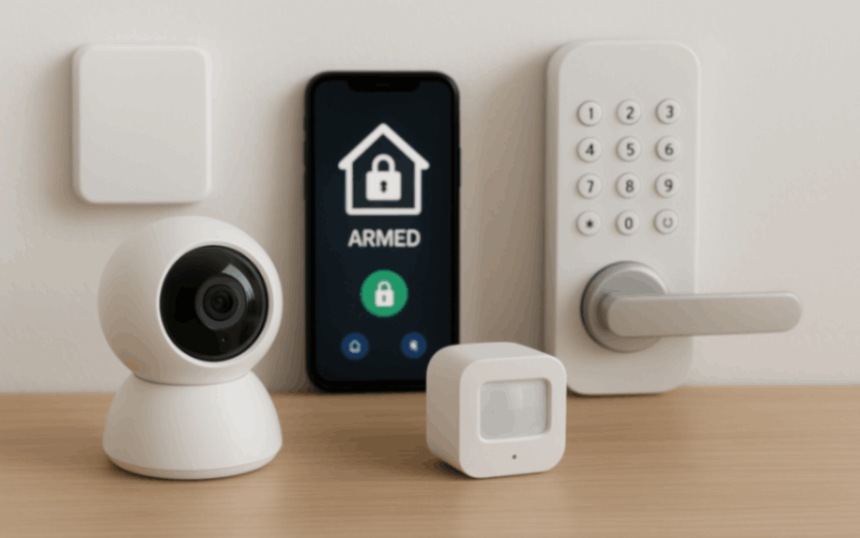
ndustry has undergone a major transformation over the past decade. Traditional locks, simple alarm systems, and basic cameras have evolved into smart, AI-powered, cloud-connected security solutions. For both homeowners and business operators, adopting the latest security technologies has become essential to staying ahead of increasingly sophisticated threats. Below are some of the most significant advancements shaping the security systems market in 2025.
Artificial Intelligence (AI) and Machine Learning
AI is revolutionizing the way security systems work. Unlike older surveillance tools that simply recorded video, AI-powered security cameras can now:
Detect suspicious activity in real time.
Distinguish between humans, animals, and vehicles.
Reduce false alarms caused by harmless movement like wind or pets.
Use predictive analytics to identify patterns that may indicate potential threats.
Keywords: AI security systems, smart surveillance cameras, machine learning in security.
Facial Recognition Technology
Facial recognition is one of the most talked-about innovations in modern security. Widely used in airports, office buildings, and retail spaces, this technology allows systems to:
Identify known individuals (employees, family members, VIPs).
Deny access to unauthorized persons.
Alert homeowners or business managers when an unknown face is detected.
In Canada and the U.S., facial recognition is growing in popularity but is also subject to privacy regulations, making responsible use a key consideration.
Keywords: facial recognition security cameras, biometric access control, advanced surveillance technology.
Cloud-Based Security Systems
Traditional DVR and NVR storage systems are being replaced by cloud storage, which offers:
Remote access from any device, anywhere in the world.
Automatic backups, so footage isn’t lost if a camera is damaged.
Scalable storage solutions for growing businesses.
Secure encryption to protect sensitive data.
For homeowners, cloud-connected doorbell cameras and smart cameras are among the best home security systems on the market.
Keywords: cloud security cameras, remote monitoring, cloud-based surveillance.
Internet of Things (IoT) and Smart Home Integration
Smart security systems are now part of the IoT ecosystem, integrating with devices like smart locks, thermostats, and lighting systems. This means:
Homeowners can lock doors, adjust lighting, and check cameras from a single app.
Businesses can automate access control and environmental monitoring.
Voice control via Alexa, Google Assistant, or Apple HomeKit enhances user convenience.
Keywords: smart home security systems, IoT surveillance, wireless home security.
5G and Edge Computing in Security
With the rollout of 5G networks, security systems now benefit from:
Faster video transmission with minimal lag.
Real-time analytics processed at the edge (closer to the camera).
Lower bandwidth costs since not all footage needs to be sent to the cloud.
This technology is especially valuable for large-scale business surveillance systems in warehouses, shopping centers, and industrial sites.
Keywords: 5G security systems, edge computing surveillance, next-gen security technology.
Thermal Imaging and Advanced Night Vision
Criminal activity doesn’t stop at night, and neither should surveillance. New thermal cameras and color night vision systems can:
Detect heat signatures in complete darkness.
See through fog, smoke, or harsh weather conditions.
Provide reliable perimeter security for homes and businesses in Canada’s extreme climates.
Keywords: thermal security cameras, night vision surveillance, outdoor security systems.
Cybersecurity-Enhanced Systems
As security systems become more connected, the risk of hacking grows. Modern solutions now include:
End-to-end encryption for video feeds.
Two-factor authentication for system access.
Regular firmware updates to close security loopholes.
This is particularly important for businesses handling sensitive customer data.
Keywords: cybersecurity in security systems, secure surveillance, encrypted security cameras.
Cloud-Based Security Systems
One of the most significant advancements in modern security is the move toward cloud technology. Traditional systems relied heavily on local storage like DVRs or NVRs, but these devices could be damaged, stolen, or tampered with. Cloud storage solves these issues by offering remote, secure, and scalable solutions.
Key Benefits of Cloud Security:
Remote Access: Users can view live streams and recorded footage from anywhere in the world through a smartphone or computer. This is especially important for Canadian homeowners and business owners who travel frequently.
Automatic Backups: Data is continuously backed up to the cloud, reducing the risk of losing critical evidence.
Scalability: Cloud systems can easily expand to cover more cameras and devices without expensive hardware upgrades.
Enhanced Security: Cloud providers typically use end-to-end encryption and multi-factor authentication, ensuring that data remains protected from hackers.
Cloud-based systems also integrate seamlessly with other smart security solutions, such as alarms, sensors, and access controls. This makes them an essential part of modern smart home and smart business security systems.
- Artificial Intelligence (AI) and Machine Learning in Security Systems
Artificial Intelligence (AI) and machine learning are reshaping the way modern security systems operate. Instead of simply recording video or sounding alarms, AI-driven systems analyze patterns, detect threats, and make intelligent decisions in real time.
How AI Enhances Security:
Smart Motion Detection:
Traditional cameras trigger alerts for any movement—like pets, passing cars, or even tree branches. AI-powered systems, however, can distinguish between a person, vehicle, or animal, drastically reducing false alarms.
Facial Recognition:
Advanced security cameras can identify individuals based on facial features. This is increasingly used in businesses for access control and in homes to recognize family members vs. strangers.
Behavior Analysis:
AI can recognize unusual behavior, such as someone loitering near a door, attempting to tamper with a lock, or moving erratically. This allows systems to predict and prevent crimes before they happen.
License Plate Recognition (LPR):
Businesses, gated communities, and parking facilities use AI cameras to automatically capture and analyze license plates, ensuring only authorized vehicles gain access.
Data-Driven Insights:
AI systems can generate reports on security trends, such as peak hours for visitors, repeated security risks, or suspicious patterns. This empowers businesses to make data-driven security decisions.
Benefits for Homes and Businesses:
Reduced false alarms and unnecessary alerts.
Faster response times thanks to real-time intelligence.
Improved convenience with features like hands-free access control.
Stronger overall protection against intruders and suspicious activity.
AI and machine learning make security systems smarter, more efficient, and proactive, rather than just reactive.
- Smart Sensors and IoT Integration
The Internet of Things (IoT) has transformed the way security systems operate in homes and businesses. By connecting cameras, sensors, alarms, and even household devices into one intelligent network, IoT makes modern security systems more responsive, automated, and interconnected.
Types of Smart Security Sensors:
Door and Window Sensors:
Detect when a door or window is opened or tampered with, instantly sending alerts to homeowners or business managers.
Motion Sensors:
Equipped with AI, these can distinguish between normal movements (like pets) and potential intruders.
Glass Break Sensors:
Detect the unique sound frequency of breaking glass, offering added protection for offices, storefronts, and homes with large windows.
Environmental Sensors:
Advanced systems also include smoke, carbon monoxide, water leak, and temperature sensors, providing complete home and business safety beyond just intrusion detection.
IoT Integration in Security:
Smart Home Automation: Security systems connect with lighting, smart locks, and thermostats. For example, if a camera detects motion at night, lights can automatically turn on to deter intruders.
Remote Monitoring: Homeowners and business owners can check all devices from a single app, ensuring seamless control.
Energy Efficiency: IoT-enabled systems allow security devices to work with energy-saving schedules, reducing costs while maintaining protection.
Cross-Device Communication: For example, if a smoke detector activates, cameras automatically record the event while alarms alert the fire department.
Advantages for Canadians:
Convenience: Control everything from one dashboard.
Enhanced Protection: Multiple devices work together, offering layered security.
Adaptability: Systems can grow with evolving needs—whether adding new sensors, cameras, or locks.
The integration of IoT and smart sensors creates a truly connected security ecosystem that adapts to different lifestyles and business requirements.
- Biometric Security and Access Control Systems
Biometric technology is one of the fastest-growing trends in security systems for both homes and businesses. Instead of relying on traditional keys or passwords—which can be lost, stolen, or hacked—biometric systems use unique human traits such as fingerprints, facial recognition, or even voice patterns for access control.
Types of Biometric Security:
Fingerprint Scanners:
Commonly used in smart door locks and office buildings, these provide quick, reliable, and personalized access.
Facial Recognition:
Cameras equipped with AI can recognize faces, granting entry to authorized individuals and alerting owners if an unrecognized face is detected.
Iris and Retina Scans:
High-security environments like data centers or financial institutions use these for maximum accuracy and security.
Voice Recognition:
Integrated into smart assistants and intercom systems, voice recognition can be used for both authentication and convenience.
Benefits of Biometric Security:
Eliminates Key Management: No need to carry or duplicate keys.
Reduced Risk of Theft: Unlike access cards or codes, biometric traits cannot be easily stolen or shared.
Quick and Efficient Access: Ideal for busy workplaces, apartments, and even family homes.
Higher Security Standards: Biometrics provide stronger protection against unauthorized entry.
Applications in Canada:
Residential Buildings: Many condos and smart homes now include biometric door locks.
Corporate Offices: Fingerprint and facial recognition systems are widely used for employee access control.
Healthcare Facilities: Biometrics ensure only authorized personnel access sensitive areas like labs or patient records.
Financial Institutions: Banks increasingly use biometrics for transaction verification and secure access.
As Canada embraces digital transformation, biometric access control is becoming a key element of modern security strategies, offering both convenience and peace of mind.
- Cybersecurity and Digital Protection in Modern Security Systems
As security systems become more connected to the internet, protecting them from cyber threats has become just as important as preventing physical intrusions. In Canada, where data privacy laws such as PIPEDA (Personal Information Protection and Electronic Documents Act) are taken seriously, ensuring the digital security of home and business security systems is critical.
Key Cybersecurity Threats to Security Systems:
Hacking and Unauthorized Access:
Weak or default passwords on cameras and IoT devices can allow hackers to gain control of live feeds or stored data.
Data Breaches:
Cloud-based storage, while convenient, can be vulnerable if not protected by encryption and strong authentication protocols.
Ransomware Attacks:
Cybercriminals may attempt to lock users out of their systems and demand payment to restore access.
Device Hijacking:
Compromised cameras or sensors could be turned into part of a botnet, used for large-scale cyberattacks.
Best Practices for Cybersecurity in Security Systems:
End-to-End Encryption: Ensures that video streams and data cannot be intercepted.
Two-Factor Authentication (2FA): Adds an extra layer of protection beyond just a password.
Regular Software Updates: Keeps systems secure against the latest vulnerabilities.
Network Segmentation: Running security systems on a separate Wi-Fi network to reduce hacking risks.
Strong Password Policies: Avoiding default passwords and using complex, unique passphrases.
Benefits for Homes and Businesses in Canada:
Peace of Mind: Knowing that both physical property and digital data are secure.
Compliance with Privacy Laws: Especially important for businesses handling customer data.
Resilience Against Attacks: A secure system is harder for cybercriminals to exploit.
Future-Proofing: Cybersecurity ensures that modern systems remain safe as new technologies evolve.
Cybersecurity is no longer optional—it is a core component of any modern security system. As more Canadians adopt smart security cameras, IoT devices, and cloud-based solutions, protecting digital infrastructure is just as crucial as locking the front door.
- Automation, Smart Alarms, and Emergency Response Systems
Modern security systems go far beyond just surveillance. With the rise of automation technologies, homes and businesses in Canada now benefit from intelligent alarm systems and real-time emergency responses that make security faster, smarter, and more reliable.
Smart Alarm Features:
Automated Triggers:
Alarms can be programmed to activate when unusual activity is detected, such as motion at odd hours, unauthorized door access, or a broken window.
Integration with Smart Devices:
Alarms connect with smart lights, locks, and cameras. For example, if motion is detected, outdoor lights can turn on automatically while cameras start recording.
Silent Alarms:
Useful for businesses and banks, silent alarms notify security services without alerting intruders.
Mobile Alerts:
Homeowners and managers receive instant notifications on their smartphones, ensuring they can act quickly no matter where they are.
Emergency Response Integration:
Direct Police and Fire Department Connection: Many modern systems can automatically alert emergency services in case of break-ins, fires, or health emergencies.
Panic Buttons: Installed in homes, offices, and retail spaces, panic buttons provide immediate emergency assistance at the push of a button.
Medical Alerts: Especially useful in Canadian homes for seniors, these systems can detect falls or health emergencies and notify caregivers instantly.
Benefits for Homes and Businesses:
Faster Incident Response: Quick alerts to police or fire departments reduce risks and damages.
Deterrence: Visible alarm systems discourage intruders before they even attempt entry.
Peace of Mind: Knowing that help is only seconds away provides confidence for families and employees.
Customizable Protection: Businesses can tailor alarms to specific needs, such as securing inventory rooms, safes, or sensitive data areas.
Automation and smart alarms are a major step forward in preventive security. Instead of waiting for incidents to happen, these systems act proactively, reducing risks and protecting lives.
Future Trends in Security Systems
The security industry is evolving at an incredible pace. With advancements in AI, robotics, and smart technology, the future of home and business security will look dramatically different from what we know today.
Key Future Trends:
AI-Powered Predictive Security
Security systems will not only detect threats but also predict criminal behavior based on advanced analytics and behavioral patterns.
For example, loitering near a property or unusual movement around a business can trigger early warnings.
Robotic Security Guards
Robots equipped with cameras, sensors, and AI will patrol properties, warehouses, and public areas.
They can detect suspicious activity, record incidents, and even interact with intruders through voice commands.
Drone Surveillance
Security drones will provide real-time aerial monitoring of large properties, construction sites, and remote areas.
They offer flexibility in covering blind spots that fixed cameras cannot reach.
Advanced Biometric Authentication
Beyond fingerprints and facial recognition, future systems may use heartbeat patterns, gait analysis, or even DNA for access control.
These technologies will offer unparalleled accuracy and personalization.
5G-Enabled Security Systems
With faster speeds and lower latency, 5G will enable seamless live-streaming of high-definition video, faster cloud access, and real-time alerts.
Sustainable Security Solutions
Solar-powered cameras, energy-efficient sensors, and eco-friendly systems will align with Canada’s focus on sustainability and green technology.
Deeper Integration with Smart Cities
In the future, security systems in Canadian cities will be linked to public safety networks, helping law enforcement, traffic management, and emergency services work together in real time.
The Bottom Line:
The future of security systems will be smarter, faster, and more adaptive. With AI, robotics, and IoT working together, Canadians can expect safer homes, businesses, and communities.
